
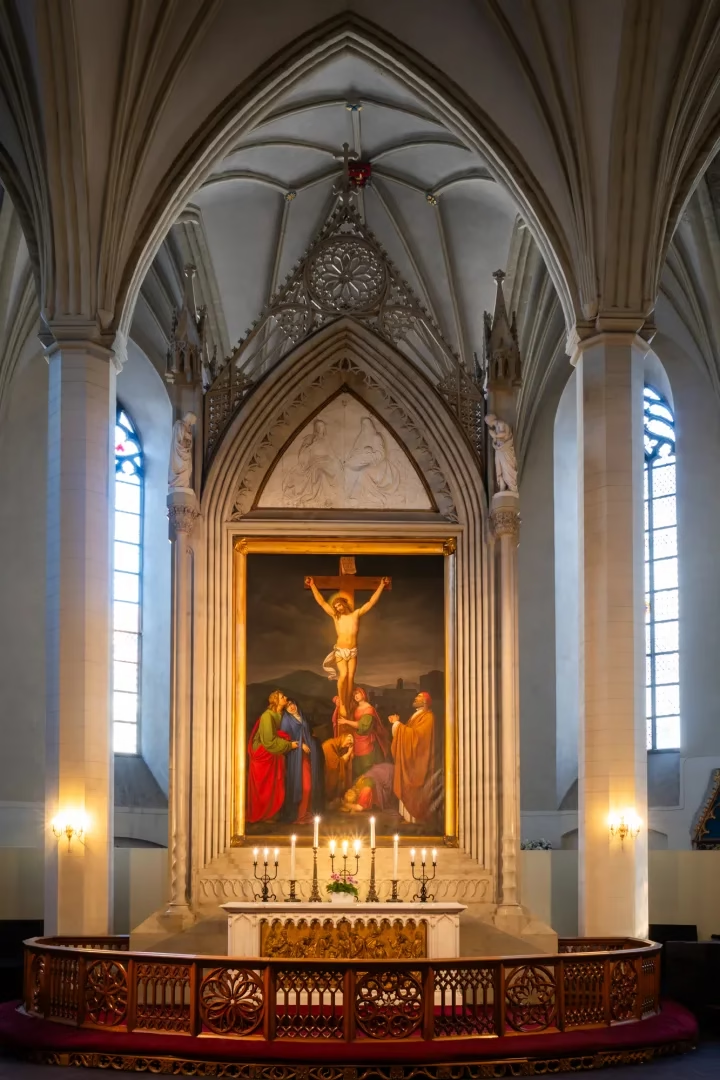
The church sanctuary is built facing east, towards the sunrise. It is separated from the nave by the triumphal arch, symbolising how Christ's victory on the Cross opened the way to God. The church also told the story of sacred history through its sculptures, paintings, and stained-glass windows.
The Cistercians tell a story of two travellers, one of whom was an evil spirit disguised as a man, intent on leading a pious pilgrim astray. As they walked together, they came to a church, and the pilgrim went inside, following his custom of "greeting the church." His companion remained outside to wait. The church, however, was an exceptionally holy place, where one stood in the presence of God. When the pilgrim came out again, the companion did not recognise him and continued waiting. Why? Because the man had been transformed by being in God's presence.
Boss Stones in the Vaults of St. Olaf's Sanctuary
Like messengers from a distant age, the carved boss stones in the ceiling of today's sanctuary have survived to our time. They originate from the church that stood here before the rebuilding of the 15th century.
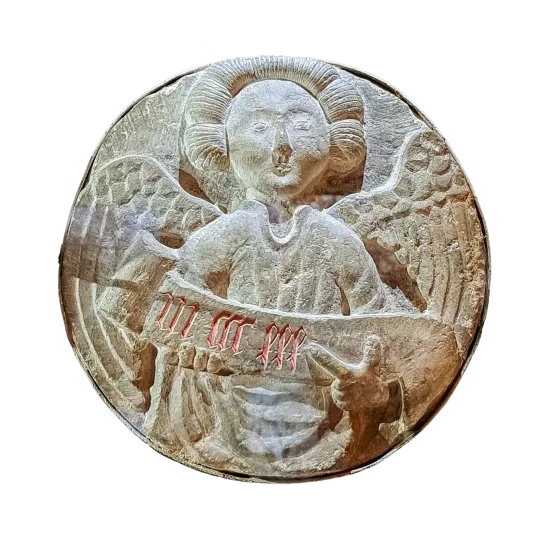
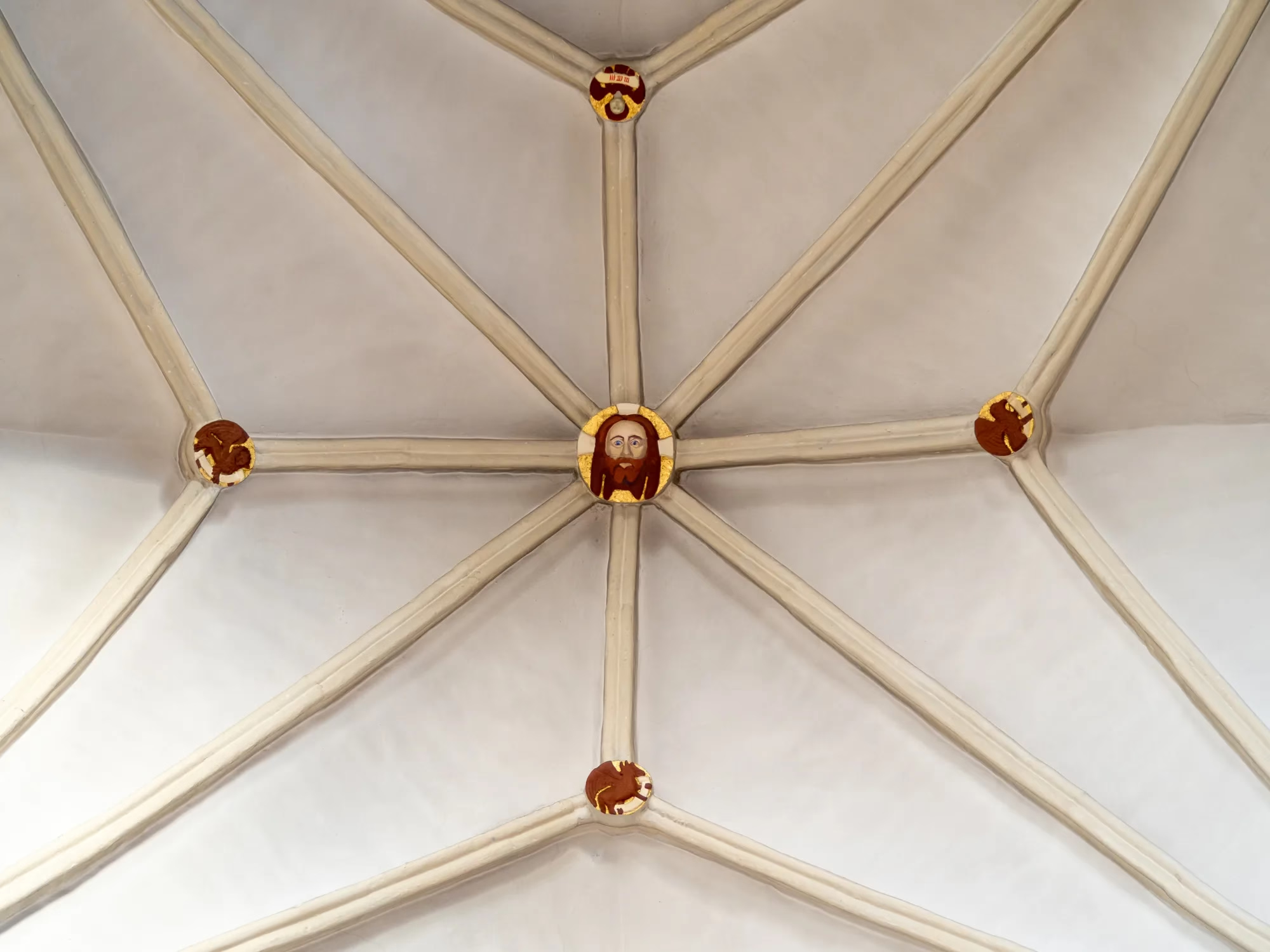
The boss stone depicting an angel symbolises the Evangelist Matthew. It is believed that the inscription MCCCXXX (1330), to which the angel points, marks the year the church was completed.
The angel boss fell from the sanctuary vault during the fire of 1820. Today it is preserved in the Estonian History Museum.
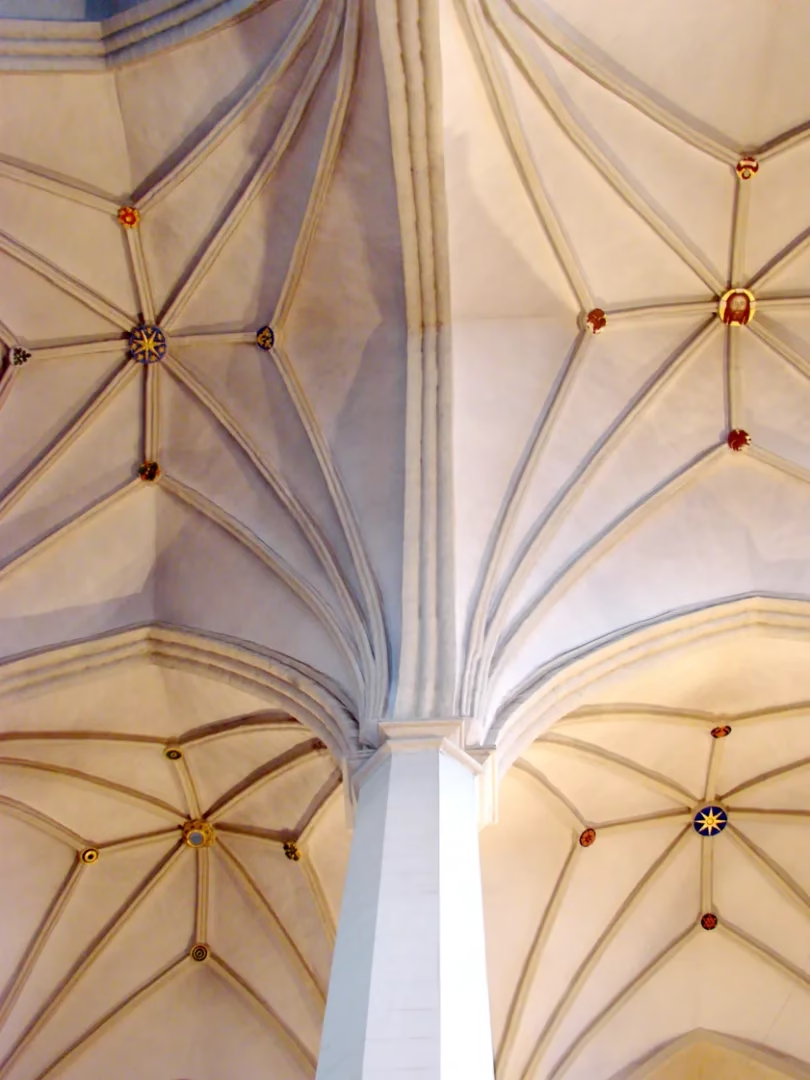
The church ceiling is an image of heaven. In Estonian, the same word—võlv—means both a vault and the firmament, reflecting this symbolic connection. Looking upward reveals a carefully conceived visual narrative, much of it inspired by the Book of Revelation.
The central nave of the sanctuary consists of three vaulted bays.
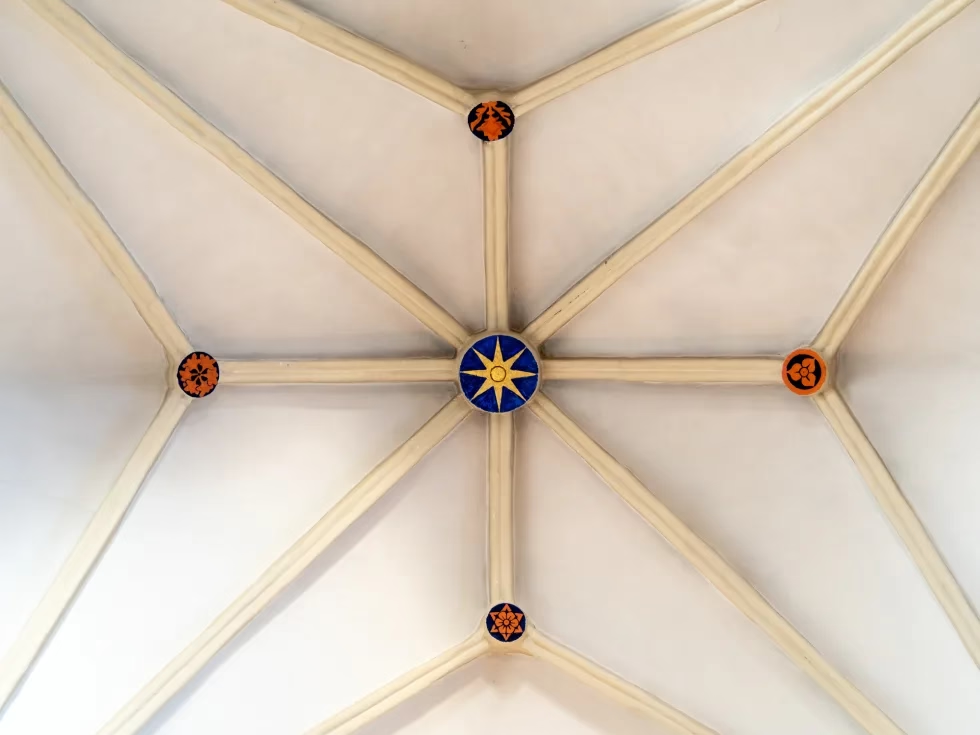
The first bay is crowned by a golden eight-pointed star, known as the Star of the New Age. According to Christian tradition, God created the world in seven days, while Christ's work of redemption—opening a new chapter in human history—came to be regarded as the eighth day of creation.
Alongside visual symbolism, medieval people attached great importance to the symbolism of numbers. Viewed as a whole, the ceiling of eight-pointed star vaults represents the Creator's love and mercy.
In the most important bay—the central bay above the area before the altar—the central boss stone bears the face of Christ. Surrounding it are four smaller boss stones depicting the four living creatures described in the Book of Revelation, each symbolising one of the Four Evangelists. Closest to the altar is the previously mentioned angel bearing the date.
The Star of the New Age, the Sacred Seven, and the Victor's Crown
At the centre of the first vault in the south aisle is a gilded crown, reminding worshippers of the heavenly crown of honour prepared for those who overcome.
The second vault is crowned by a boss stone depicting one large star surrounded by seven smaller stars. The imagery comes from the Book of Revelation, where Christ declares, "I am the bright Morning Star," and John writes, "He held seven stars in his right hand... these are the seven churches."
The number seven represented perfect completeness. Thus, the message of this boss stone is that Christ holds His Church securely, and that it is perfectly holy.
The smaller boss stones in the south aisle are decorated with grapevines and clover leaves. The latter recalls how Saint Patrick of Ireland used the three-leafed shamrock to explain the mystery of the Holy Trinity.
At first glance, the small carvings high above seem like little more than decorative details. Yet, upon closer examination, they become something like icons: each one opens a window into deeper meaning, leading to ever more discoveries. Above us is a confession of faith carved in stone.
Saint Olaf Behind the Altar
The third bay of the central nave lies behind the altar. The area behind the altar has traditionally been associated with those who have departed this earthly life.
At the centre of this vault is set a large stone slab depicting Saint Olaf. It is considered one of the oldest and most valuable examples of medieval stone sculpture in Estonia.
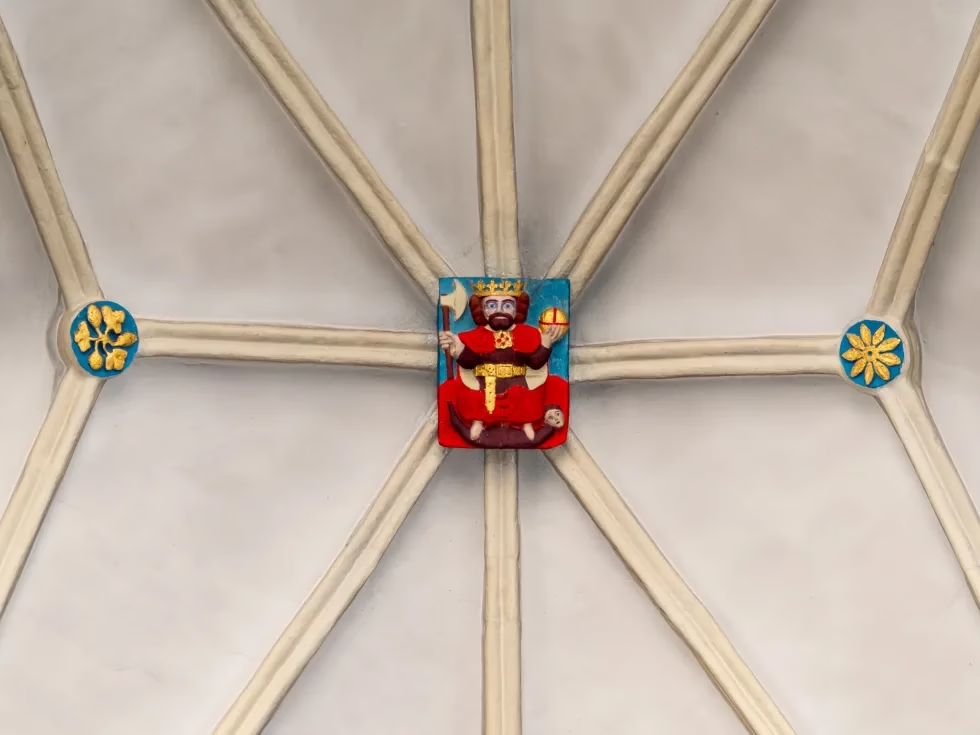
The relief may once have adorned the gable above the portal of an earlier church, although it may also have been commissioned in the 15th century specifically for the new sanctuary.
The king is shown enthroned in a solemn, frontal pose. In his right hand he holds a short battle axe, while in his left he carries the orb of royal authority. At his feet lies a crowned dragon, symbolising the paganism that King Olaf overcame.
In the smaller vaults surrounding Olaf, the intersections of the ribs are decorated with little boss stones carved with lilies, symbols of faith.